
San Angelo Garage Door Guide
What San Angelo Heat Does to a Garage Door Over Time
San Angelo's severe summer heat and 1960s-70s housing stock combine to wear out garage door hardware fast. Here's what that means for your door and your wallet.
- Licensed & Insured
- Same-Area Service Calls
- Upfront Pricing
What the Weather Here Does to It
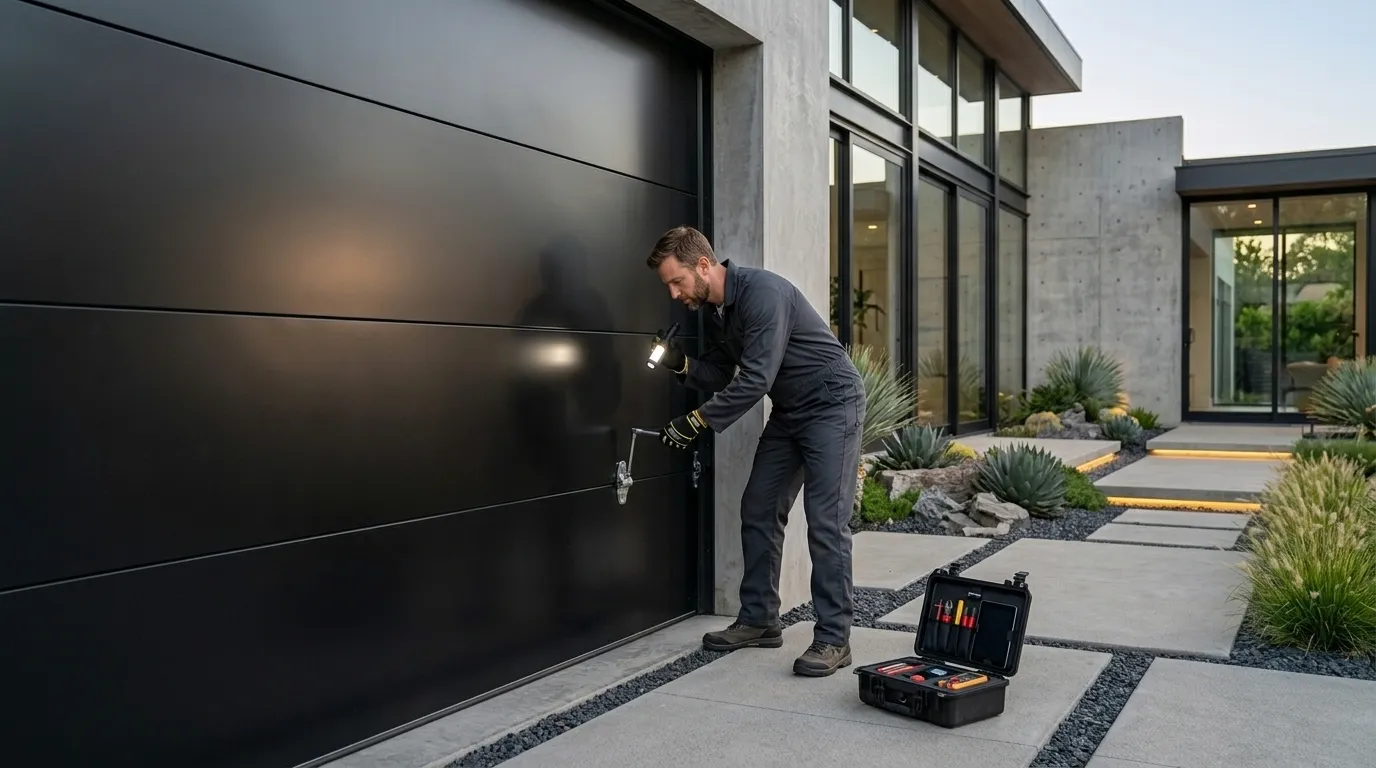
San Angelo sits in a severe heat band, and a garage door takes that heat on the chin more than almost anything else attached to the house. Steel panels expand in the afternoon sun and contract again after dark, day after day, for months at a stretch. That cycle works on the seams, the hinges, and especially the nylon rollers, which harden and crack faster here than they would somewhere with a milder summer.
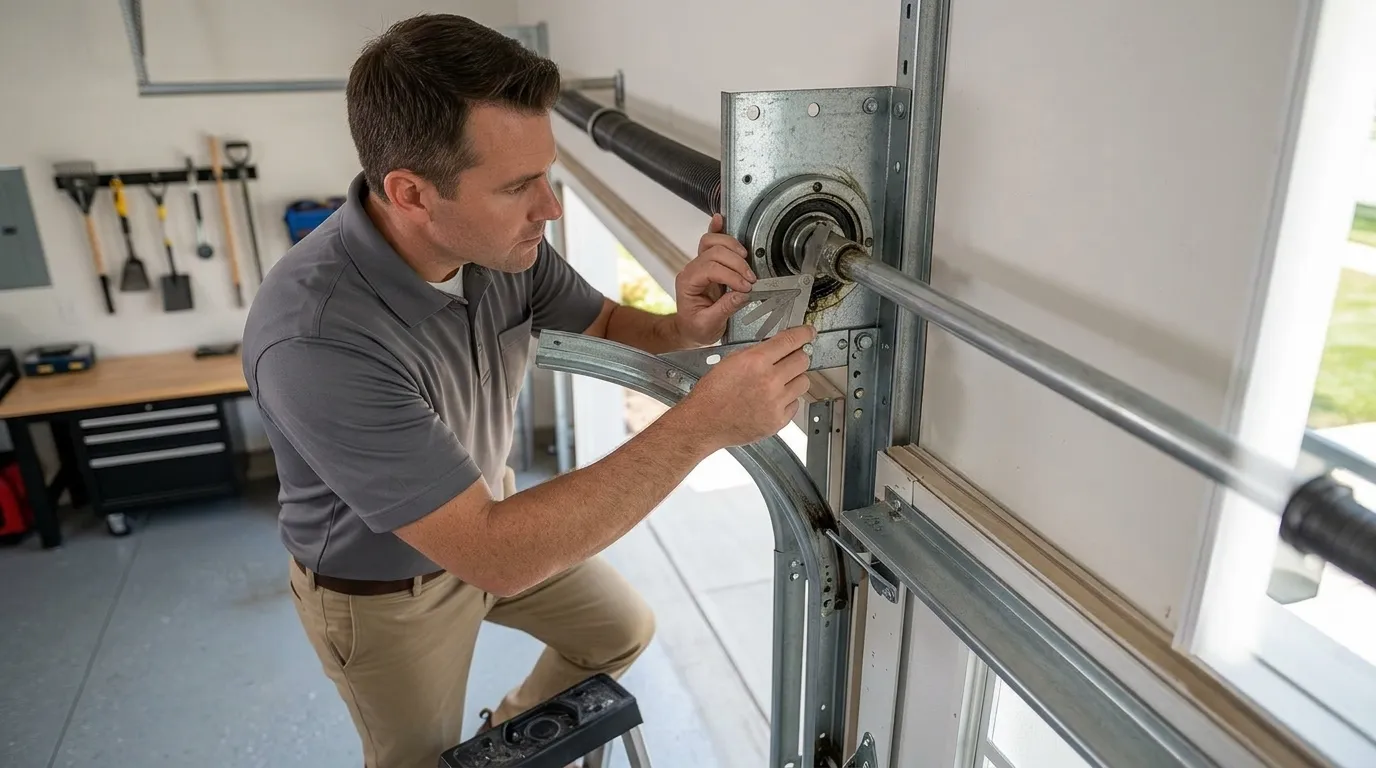
Lubricant is the first casualty. Standard grease on tracks and hinges breaks down under sustained heat and turns gummy, which is why a door that ran quiet in spring starts grinding by August. Torsion springs don't like the heat much either - the metal itself doesn't fail from warmth alone, but the cycling from hot days to cooler nights fatigues the coil faster than a stable climate would.
If your house dates to the 1960s or 70s, which describes most of the stock in this area, the door and opener hardware are often original or close to it, built for a different set of expectations than what a 90-plus-degree summer demands. None of this is dramatic. It's slow wear, and it adds up.
The Situation
Across the service area there are roughly 1,453 households, and 636 of those are owner-occupied houses - a lot of garages built in the same decades, aging under the same sun. That matters because it means a big share of the doors in San Angelo are working with the same original torsion springs, the same steel panels, and the same weatherstripping that came with a house built forty or fifty years ago.
When a door from that era starts sagging on one side or the opener strains harder than it used to, it's rarely one bad part. It's usually the accumulated effect of decades of heat cycling on hardware that was never rated for it. A track that's slightly bowed from years of expansion doesn't announce itself - it just makes the door work harder every single day until something gives.
This isn't a call to panic. It's a call to look at the door the way you'd look at a roof that's the same age as the house: not broken yet, but on notice.
Leaving It Alone
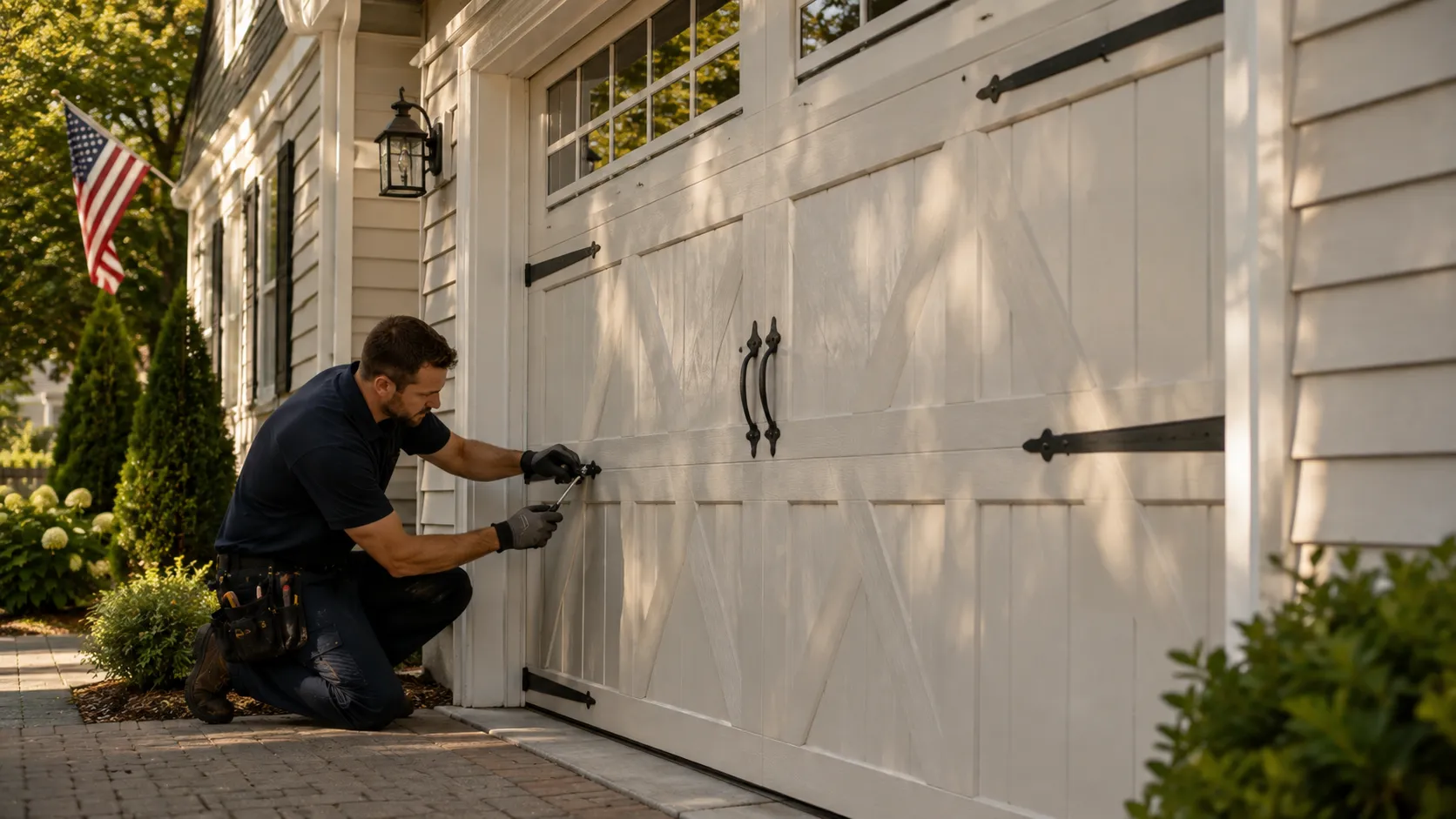
A door that's straining in the heat and gets ignored usually fails at the worst time - a spring that lets go while the door is halfway up, or an opener motor that finally burns out mid-July when you need the garage closed against the heat, not open. Waiting doesn't make the underlying wear go away. It just moves the failure point later and often makes it more expensive.
The honest limitation here: we can't tell you exactly how much life is left in a given spring or roller set without looking at it. Heat wear isn't uniform - a door that's been serviced regularly holds up a lot better than one that hasn't been touched since it was installed.
So this isn't a case where every 1960s door in San Angelo needs the same fix on the same schedule. It's a case where the older the hardware and the more summers it's absorbed, the shorter the runway probably is.
What It Costs
With median household income in the service area at $49,688, most people here aren't looking to replace a whole door on a whim, and they shouldn't have to. A lot of heat-related wear - dried lubricant, a fatigued spring, a hardened roller - is a repair, not a replacement. Catching it early keeps it that way.
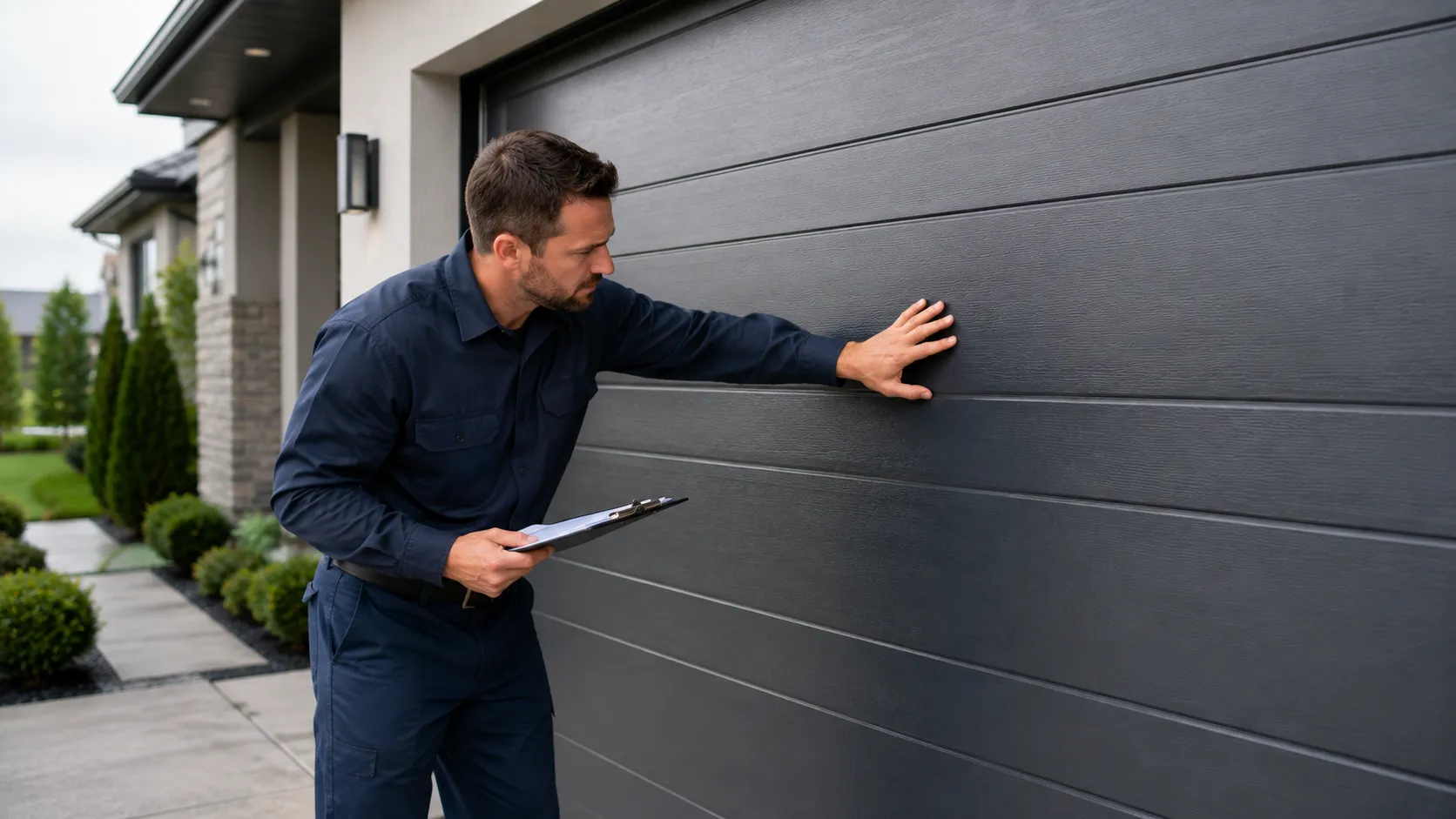
We don't have a set price to quote you here, because it depends on what's actually worn and what it takes to fix it. What we can say is that the math tends to favor repair on doors that are otherwise sound, and tips toward replacement once the frame or panels themselves have warped from years of heat cycling. That's a judgment call made in person, not over the phone.
We cover San Angelo and out to Grape Creek, about 11 miles out, so if you're on that side of town and hearing your opener strain more than it used to, it's worth a look before the season turns it into an emergency call.
How We Can Help
Garage Door Service
Tune-ups, lubrication, and safety checks that catch a small problem before it becomes a service call.
Learn more →
Garage Door Repair
Springs, cables, tracks, rollers, and openers fixed by a tech who explains the problem before touching anything.
Learn more →
Garage Door Opener Installation
New openers sized to your door and set up with the safety sensors dialed in.
Learn more →
Garage Door Maintenance
Garage Door Maintenance handled by trained, insured local technicians with upfront pricing.
Learn more →
Garage Door Installation
New sectional doors sized and installed for the housing stock actually built in this area.
Learn more →
Garage Door Cable Repair
Frayed or snapped lift cables replaced and tensioned so the door lifts level and safe.
Learn more →
Garage Door Roller Replacement
Worn, noisy rollers swapped for smooth nylon ones so the door runs quiet.
Learn more →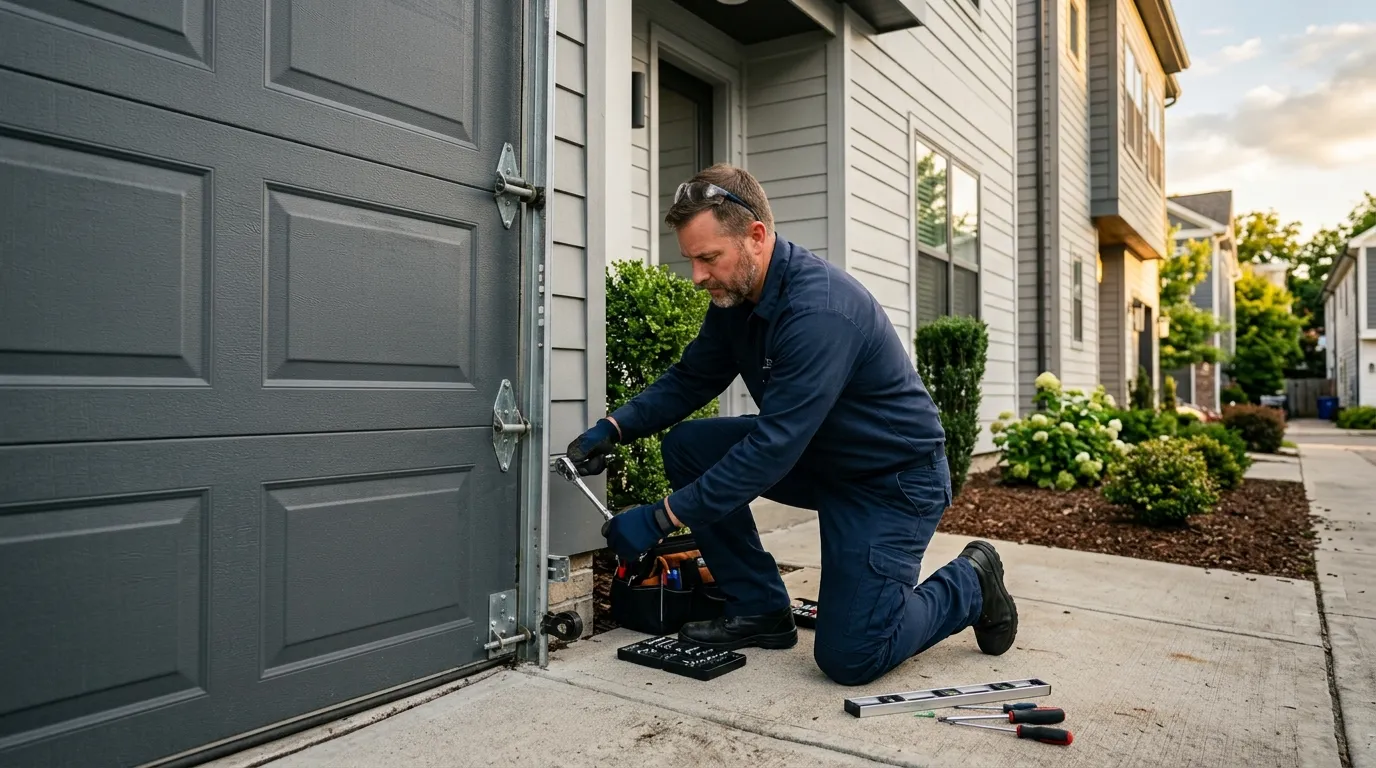
Garage Door Panel Replacement
Dented or cracked panels swapped without replacing the whole door where the frame is sound.
Learn more →Frequently Asked Questions
Why does my garage door make more noise in the summer?
Heat dries out lubricant on the rollers and hinges faster than in a milder climate, and steel expands slightly during hot afternoons. Both make a door louder and stiffer to run. It's common on older doors in San Angelo and usually fixable with fresh lubricant and a look at the rollers.
Is my door's age a problem if my house was built in the 1960s or 70s?
Not automatically, but a lot of houses in the area date to that period, and original hardware from then wasn't built with this many decades of severe summer heat cycling in mind. Springs and rollers of that age are worth having checked rather than assumed fine.
Do you serve Grape Creek?
Yes, Grape Creek is about 11 miles out and within our service area.
Should I just replace the door instead of repairing it?
Depends what's worn. If the springs and rollers are the issue but the panels and frame are still straight, repair usually makes more sense. Once heat has warped the frame or panels themselves, replacement tends to be the better call.
Have a Door That Needs a Second Opinion?
Call and describe what it is doing - we will tell you what it likely is.