
San Angelo Garage Door Guide
When the Power Cuts Out on a San Angelo Garage Door Opener
How San Angelo's severe summer heat and 1960s-70s housing stock combine to knock out garage door openers during power cuts, and what it actually takes to fix it.
- Licensed & Insured
- Same-Area Service Calls
- Upfront Pricing
What the Weather Here Does to It
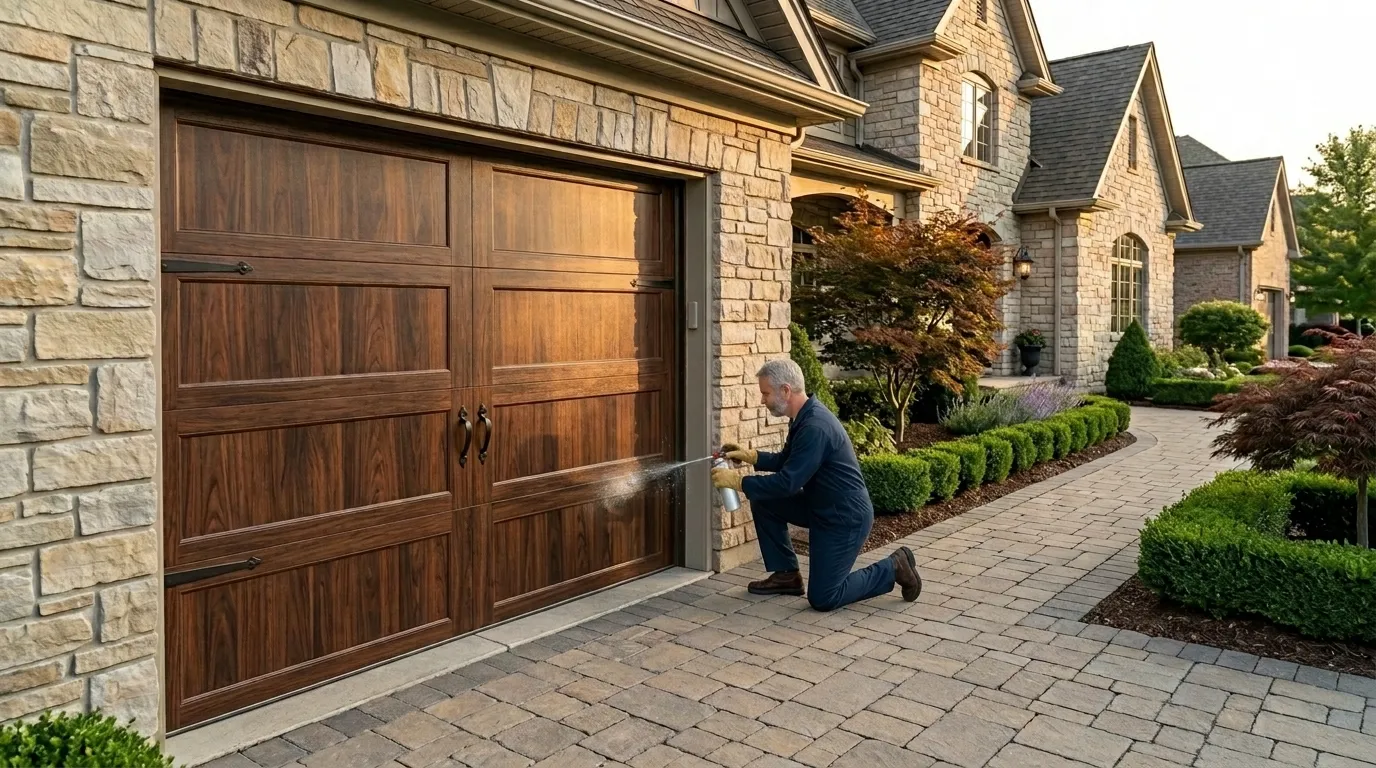
San Angelo sits in a severe-heat climate band, and that matters more for openers than most homeowners think. The logic board inside a chain or belt-drive opener runs hot even in a cool garage. When outside temps push into the range that defines this area's summer, that same board is working inside a garage that can run twenty or more degrees hotter than the yard.
Circuit boards don't fail gracefully in that kind of heat - they get flaky first, tripping the safety sensors or refusing to respond to the remote, then they quit outright, usually on the hottest afternoon of the week. That's also when the local grid is under the most load from every air conditioner running at once, and rolling power cuts follow the heat, not the calendar. An opener that's already stressed by ambient heat and then gets hit with a hard power interruption is the exact combination that ends a unit's working life early.
This isn't a once-a-decade event here - it's a normal August pattern, and it's worth planning the opener setup around.
The Situation
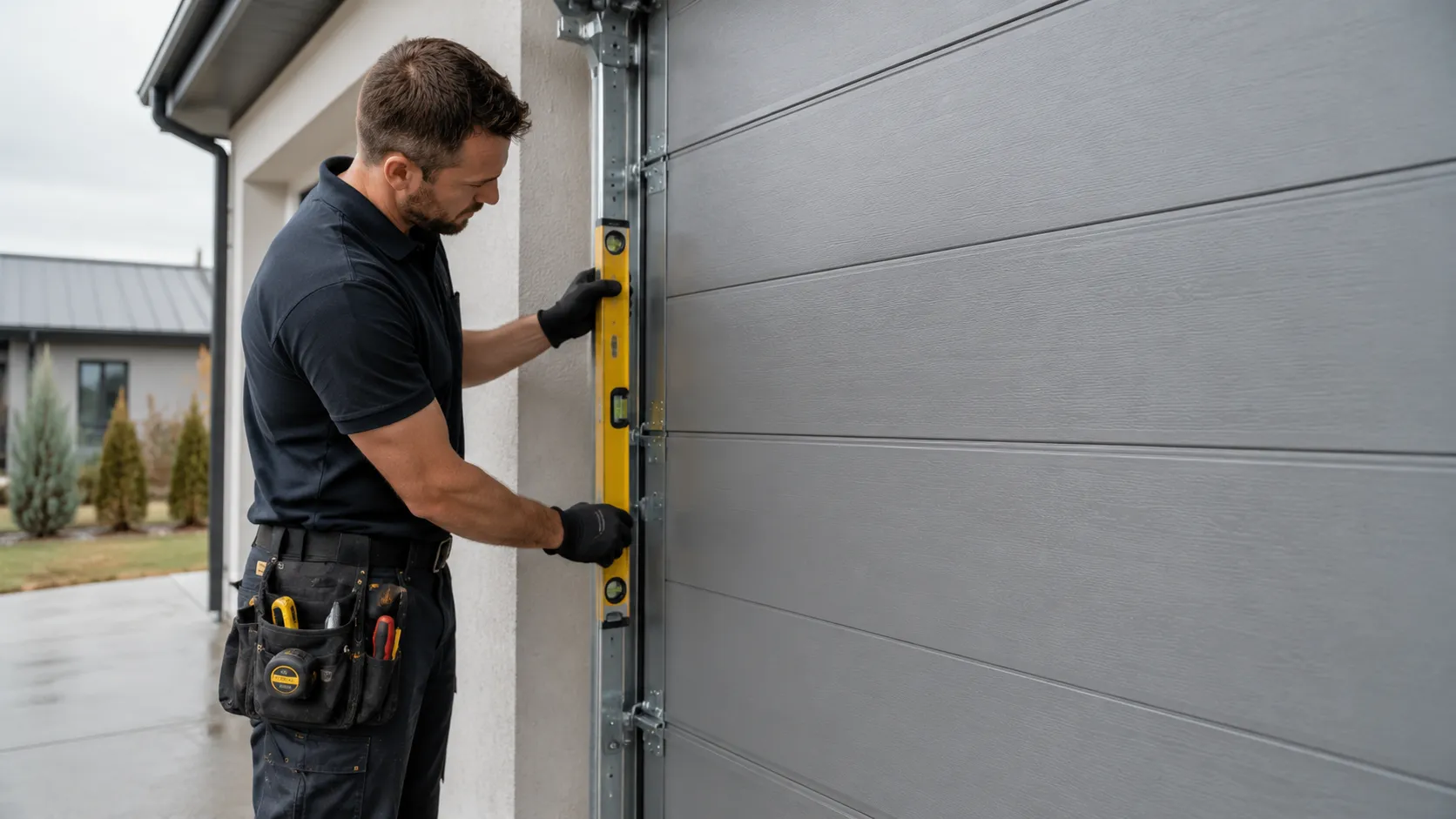
Most of the housing across this service area went up in the 1960s and 70s, and that means most garages were wired for whatever opener existed when the house was built or whenever it got its first retrofit - often decades ago. A lot of these units have no battery backup at all, because that wasn't standard equipment when they went in. When a power cut hits during a heat event, the door doesn't fail-safe to open; it just stops wherever it was, and the manual release cord becomes the only way in or out.
On an older track and hardware setup, especially anything original to a 60s or 70s build, that release mechanism has usually never been used and can be stiff, seized, or missing its handle entirely. Out toward Grape Creek, eleven miles from the main service area, the same age of housing stock shows up, so the same problem does. The opener itself is rarely the whole story - it's an old opener, old wiring, and a heat-driven power grid all interacting at the worst possible time.
Leaving It Alone
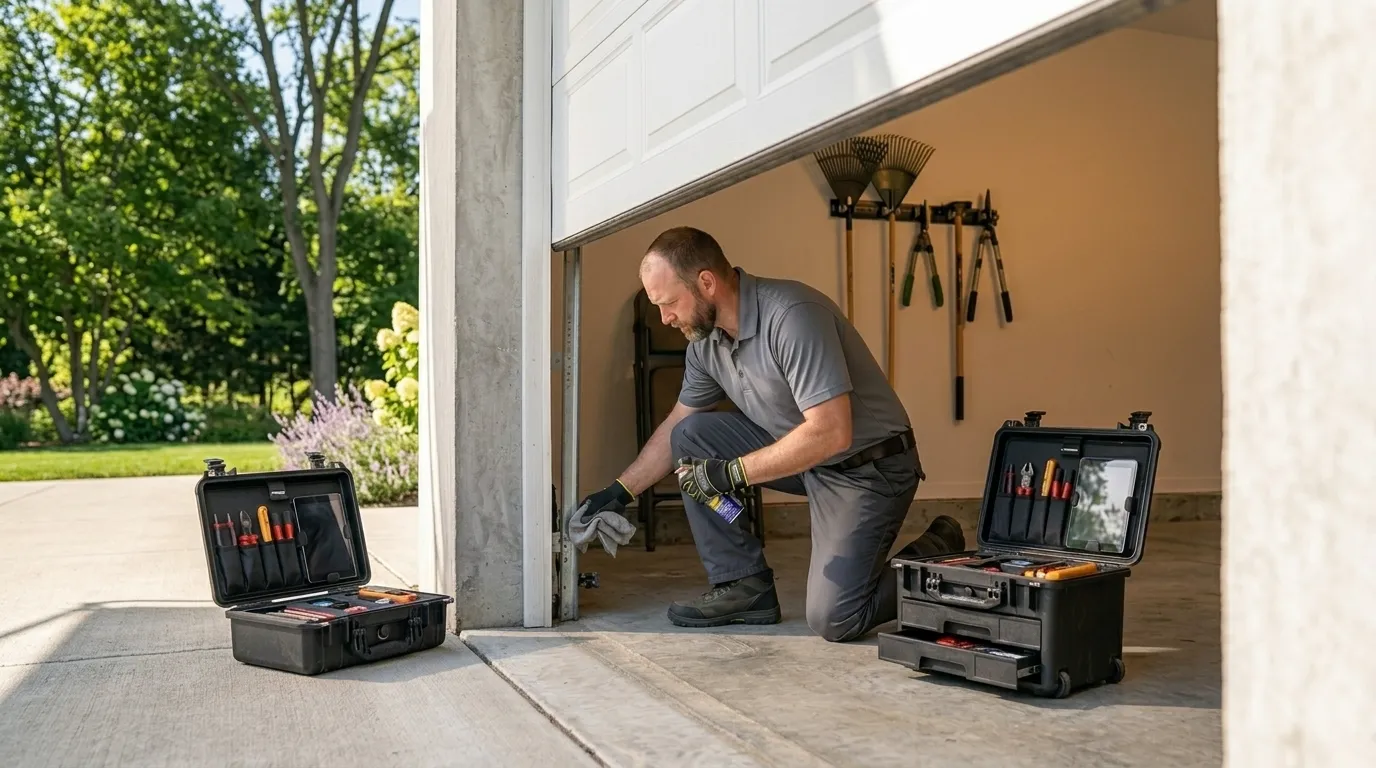
An opener that's starting to lag - taking two or three tries to respond, reversing partway, running louder than it used to - is giving you the warning before the outage does. Ignore it through a summer and the failure usually lands during a heat-driven power cut, when you least want to be pulling a release cord in a hot garage trying to get a car out. That's not a dramatic outcome, but it is an inconvenient one, and it's avoidable.
The honest limitation here: we can't tell you how long your specific opener has left just from a description over the phone. Boards degrade unevenly, and a unit that sounds fine can be a week from quitting while a noisy one runs another two years. What we can say is that in a market where most openers are already past their expected working life given the age of the housing stock, waiting for a hard failure during a heat wave is the expensive way to find out.
A five-minute check of the board and the backup situation is cheaper than a Saturday afternoon service call in July.
What It Costs
We don't have current pricing to publish here, and we'd rather leave it out than guess at a number that doesn't hold up. What we can tell you is what drives the cost conversation locally: median household income across the service area sits around $49,688, and most of the roughly 636 owner-occupied houses in the 1,453 households here are working with openers that predate battery backup as a standard feature. Adding backup power to an existing opener is usually cheaper than replacing the whole unit, but it only makes sense if the opener's motor and board are otherwise sound - bolting a backup battery onto a board that's already failing from heat stress just delays the same call.
If your opener is original to a 60s or 70s build, replacement with a battery-backed unit is often the more sensible long-term move, since you're not just buying backup power, you're also retiring a board that's been running hot for decades. Ask for a written number before any work starts - that's the only way to know what your situation actually costs.
How We Can Help
Garage Door Service
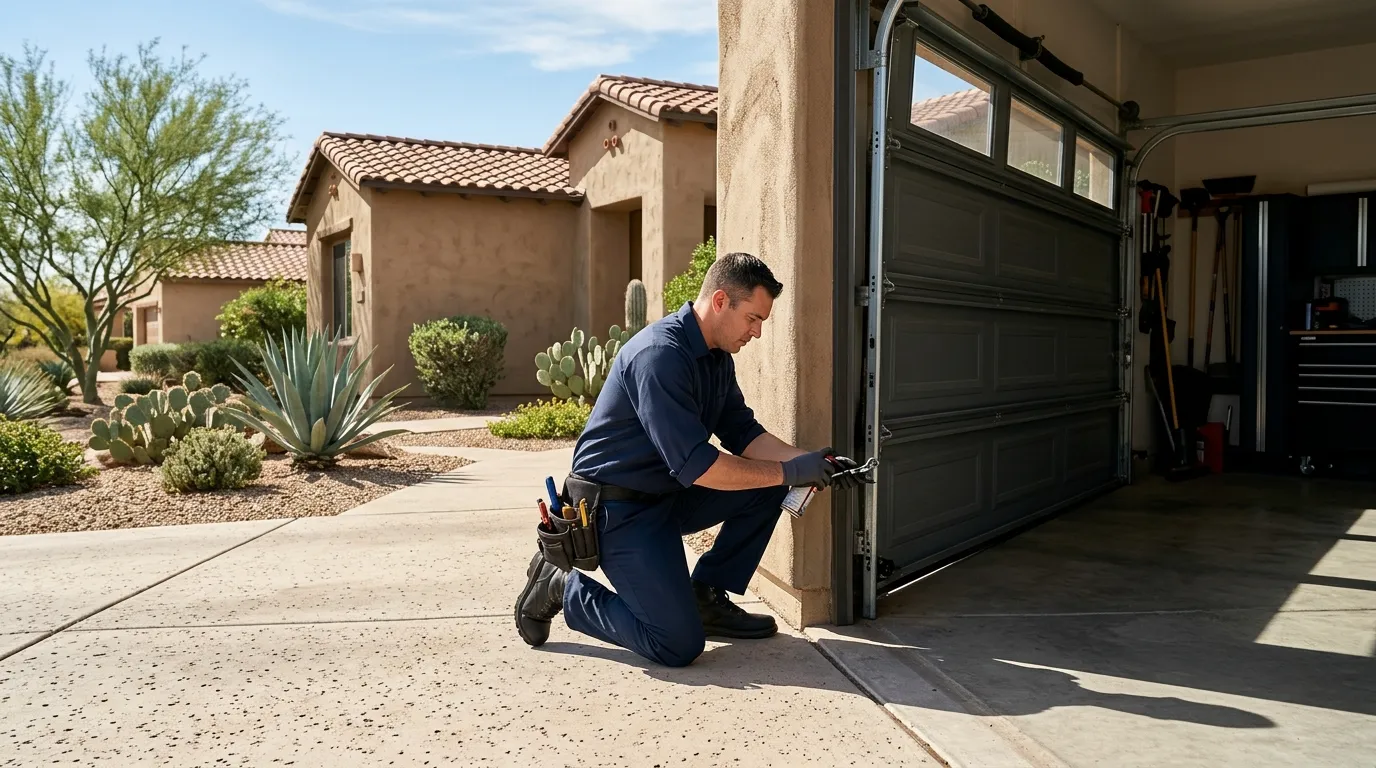
Tune-ups, lubrication, and safety checks that catch a small problem before it becomes a service call.
Learn more →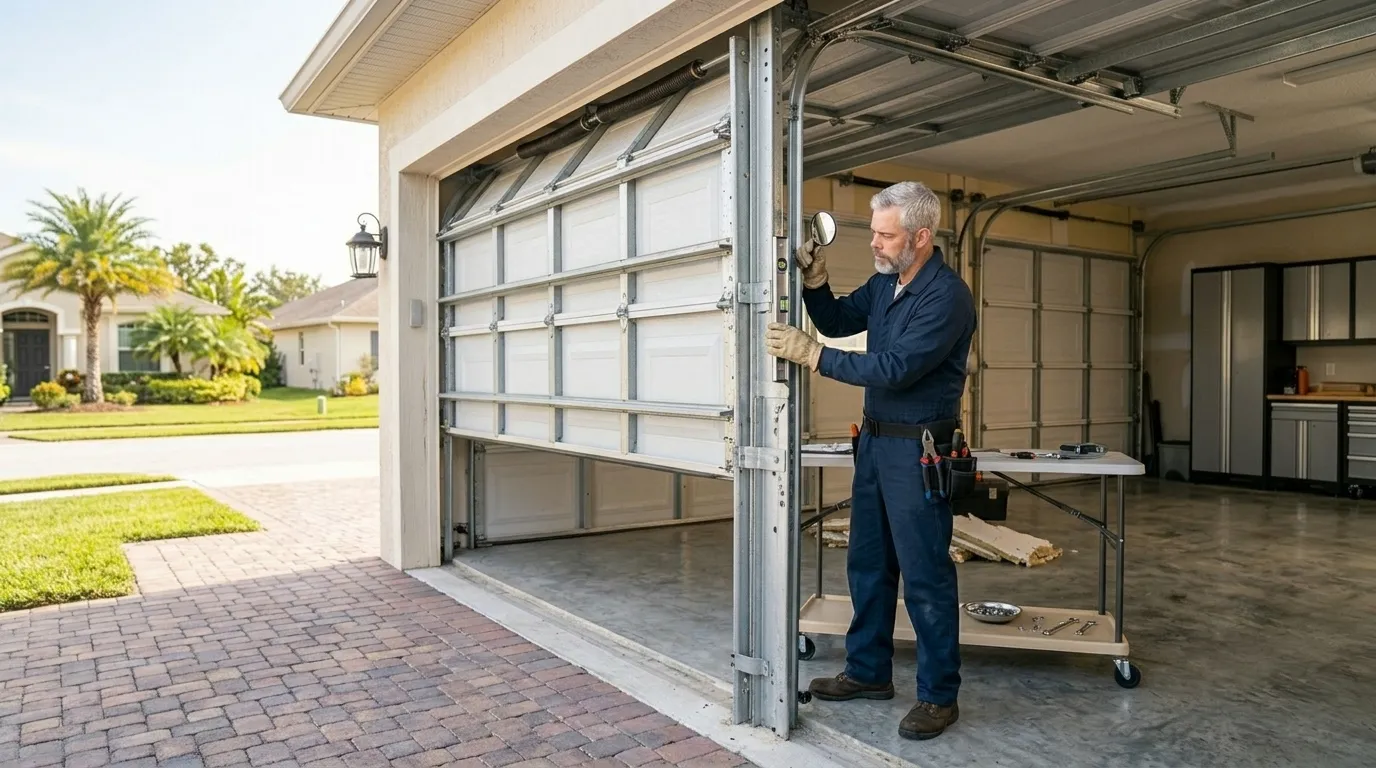
Garage Door Repair
Springs, cables, tracks, rollers, and openers fixed by a tech who explains the problem before touching anything.
Learn more →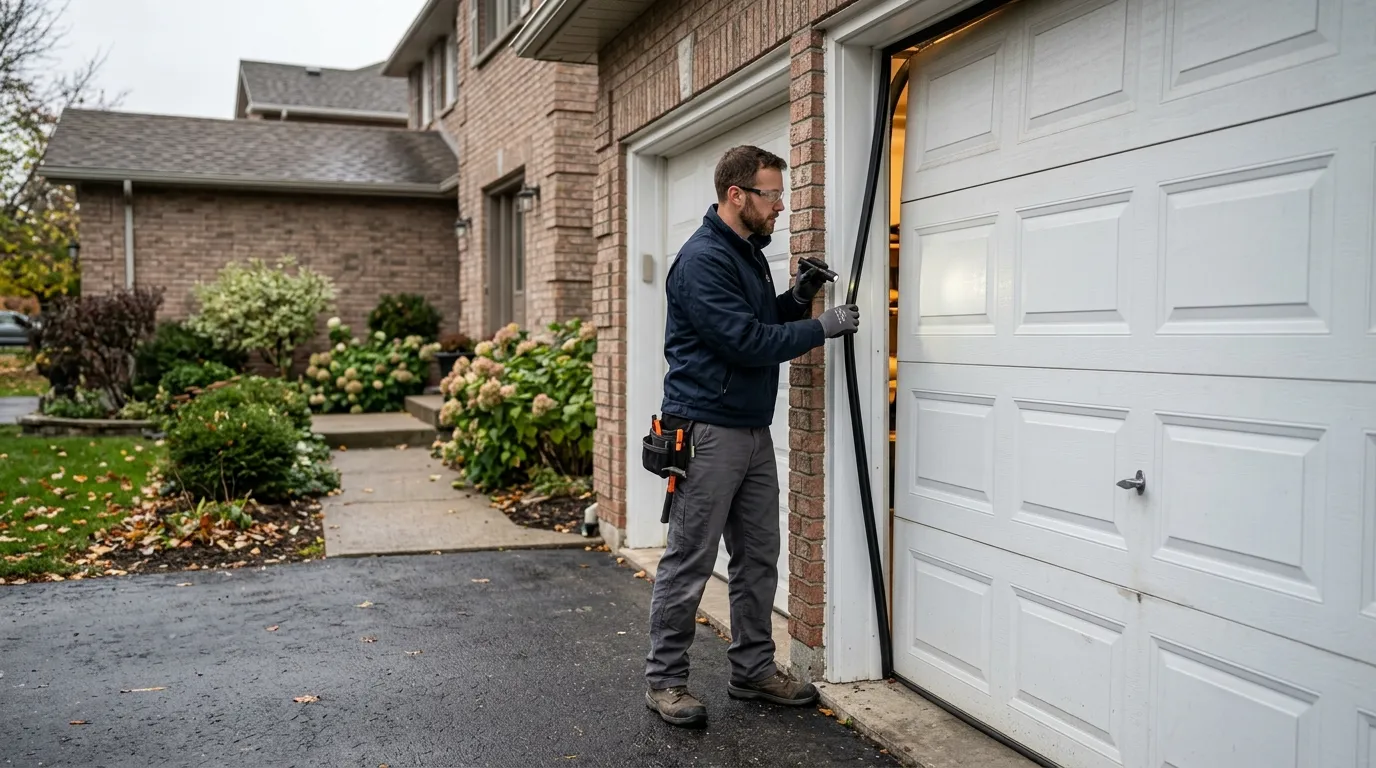
Garage Door Opener Installation
New openers sized to your door and set up with the safety sensors dialed in.
Learn more →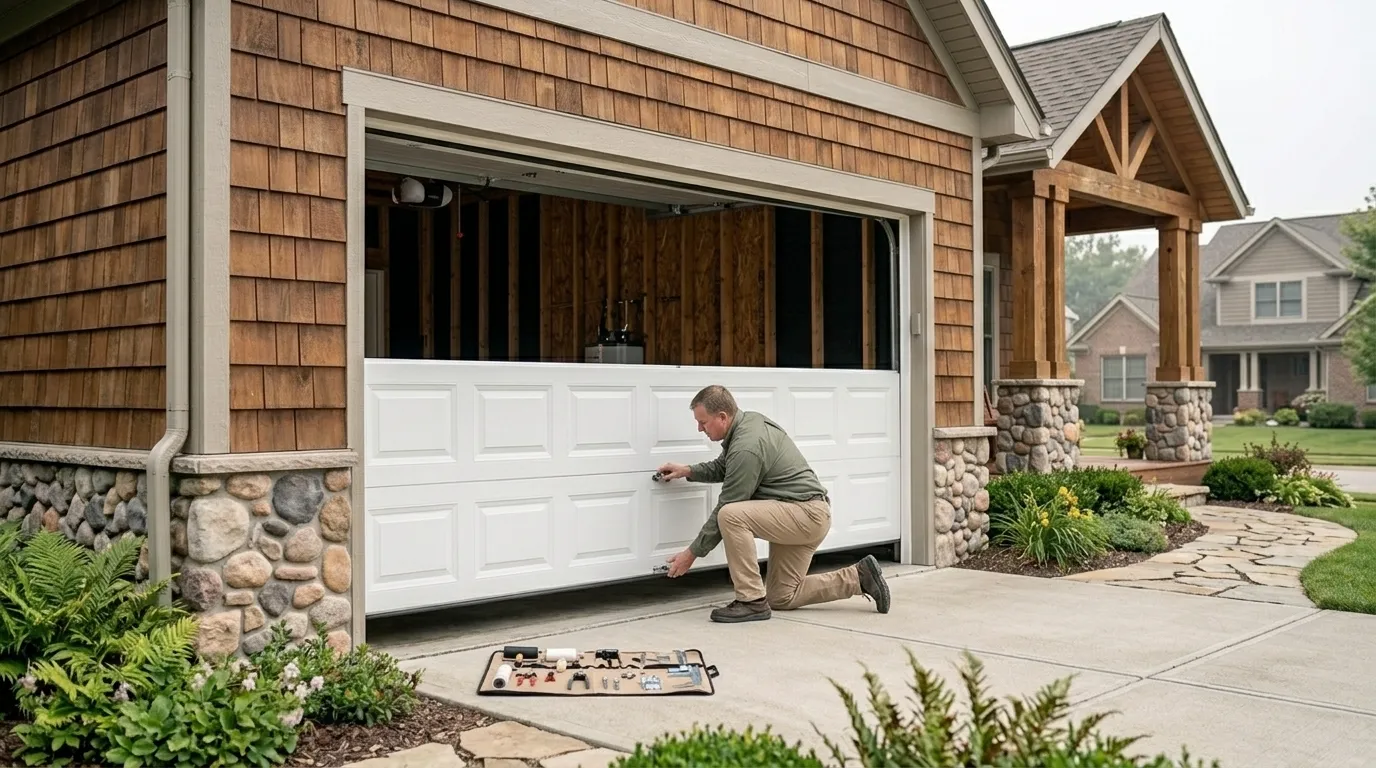
Garage Door Maintenance
Garage Door Maintenance handled by trained, insured local technicians with upfront pricing.
Learn more →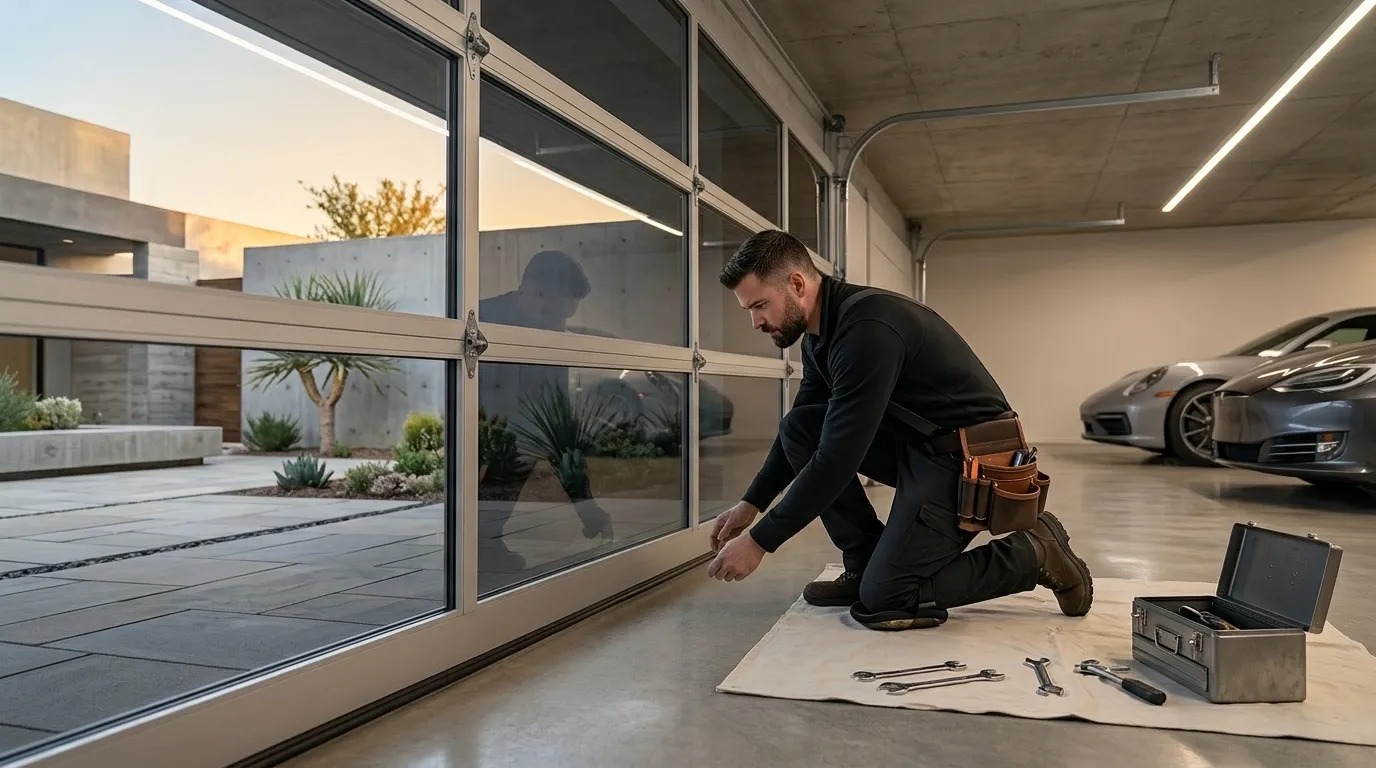
Garage Door Installation
New sectional doors sized and installed for the housing stock actually built in this area.
Learn more →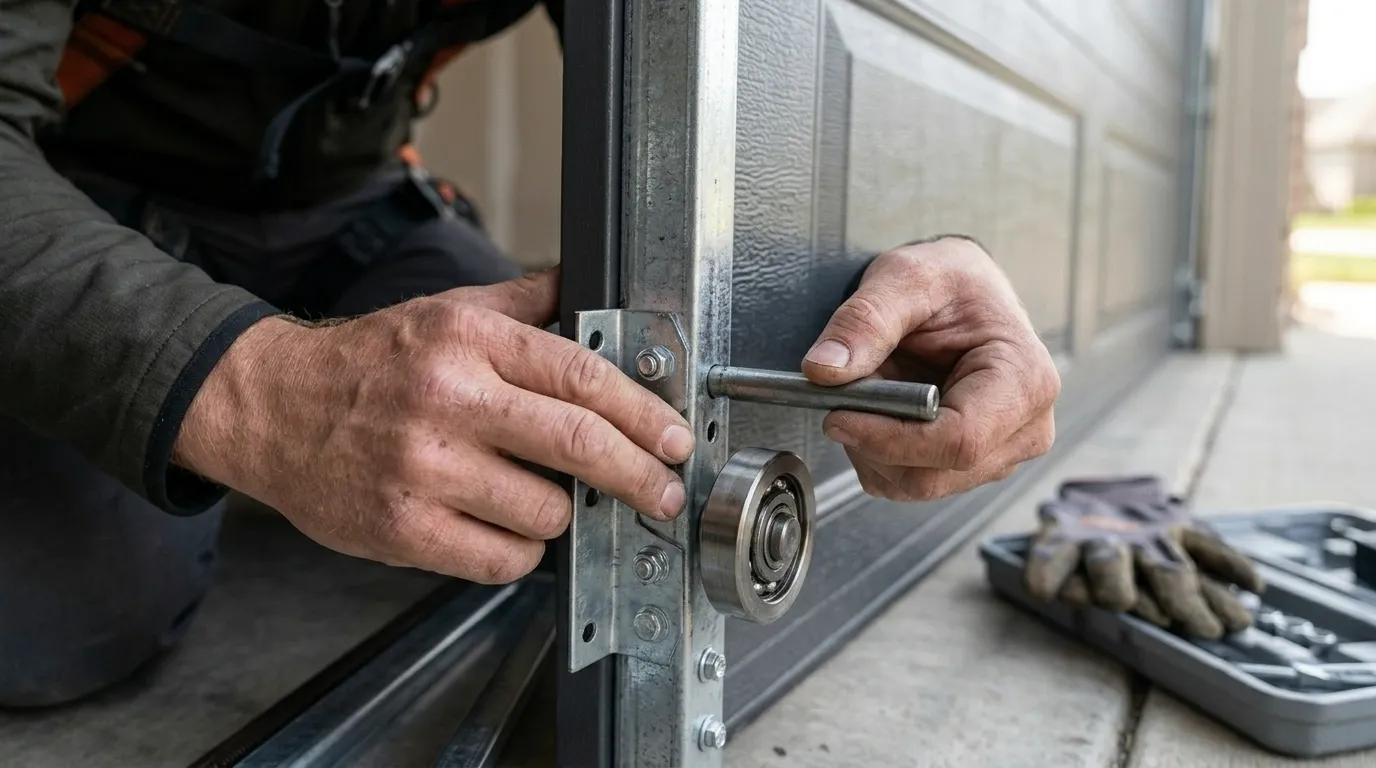
Garage Door Cable Repair
Frayed or snapped lift cables replaced and tensioned so the door lifts level and safe.
Learn more →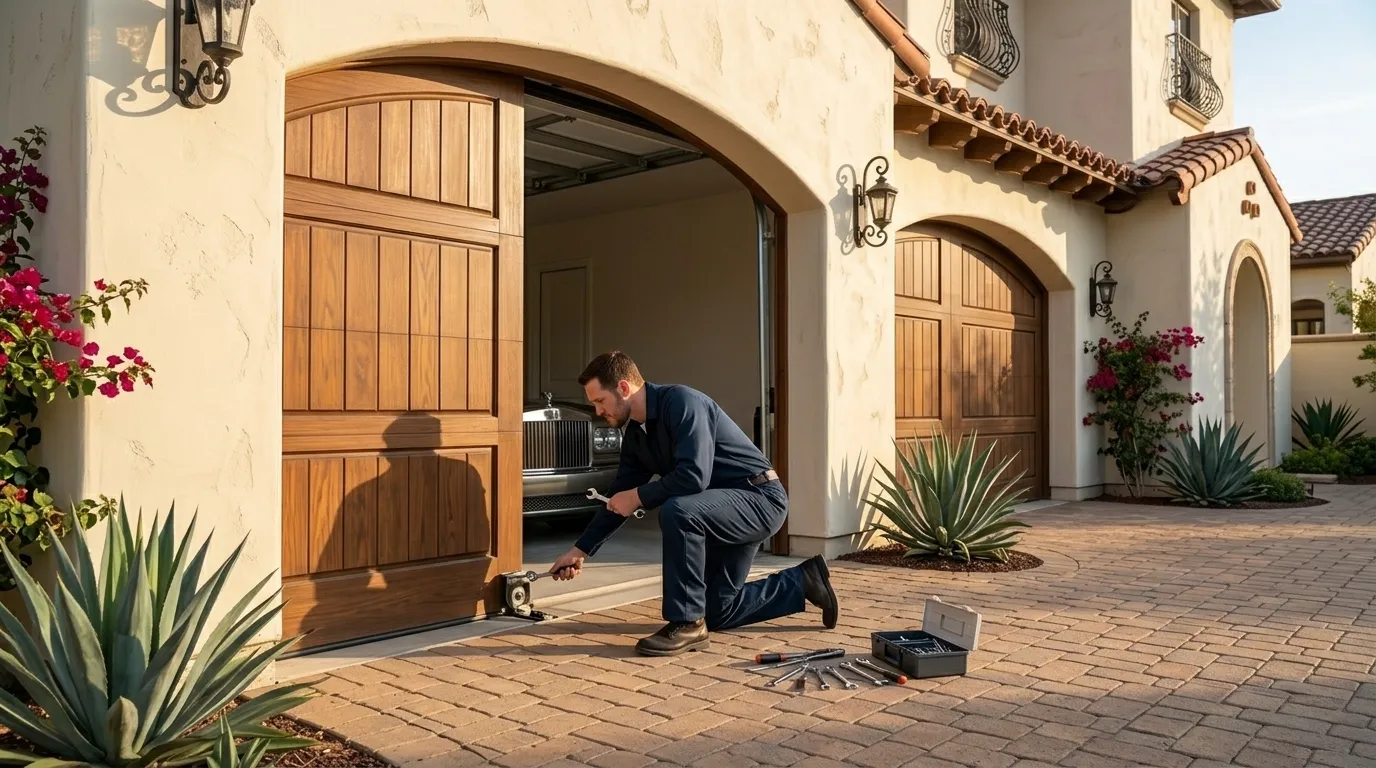
Garage Door Roller Replacement
Worn, noisy rollers swapped for smooth nylon ones so the door runs quiet.
Learn more →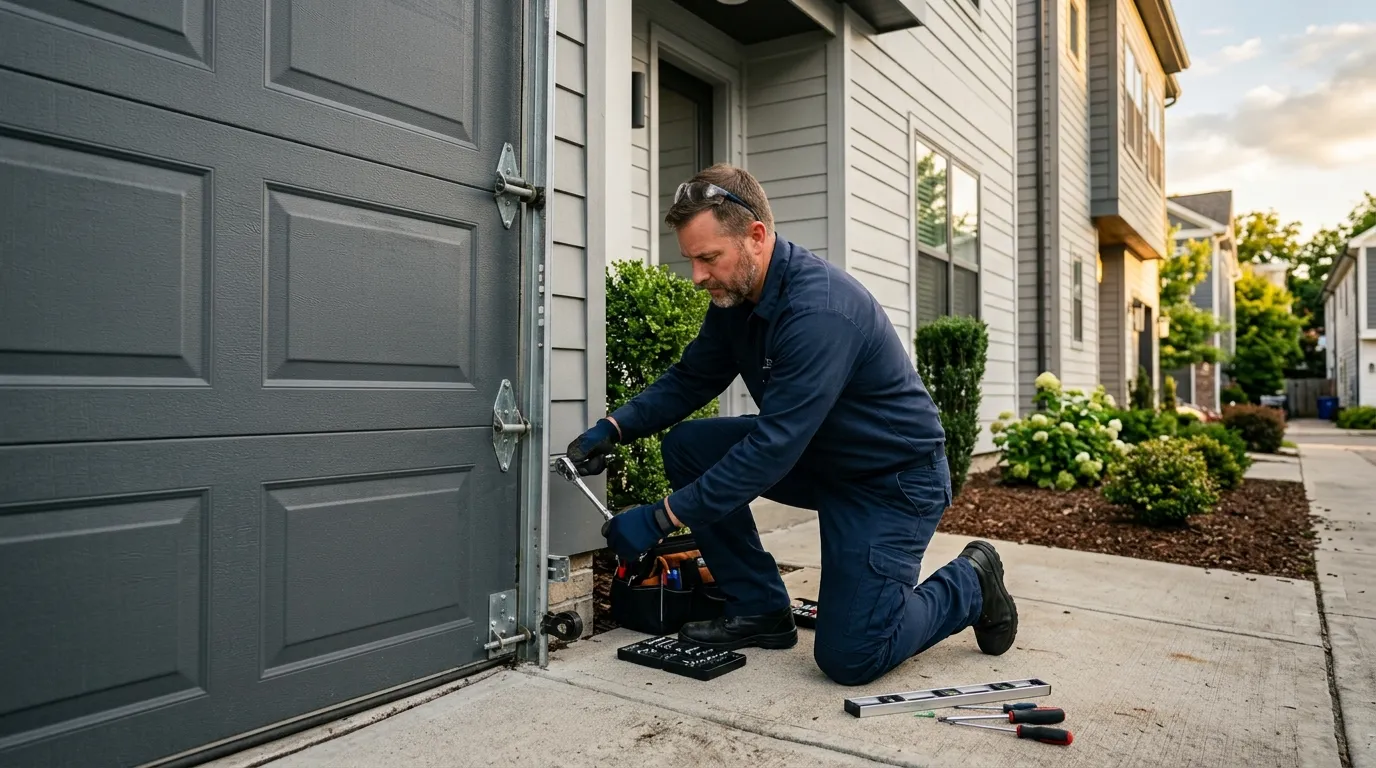
Garage Door Panel Replacement
Dented or cracked panels swapped without replacing the whole door where the frame is sound.
Learn more →Frequently Asked Questions
Why does my opener act up specifically in summer?
Heat is hard on the circuit board inside the opener housing, and San Angelo's summers push garage interior temps well past what those boards were designed to handle for years on end. Add in power cuts from grid strain during heat waves, and summer becomes the season when marginal openers finally fail.
Does my opener have battery backup?
If your house is part of the area's common 1960s-70s stock and the opener hasn't been replaced recently, it likely doesn't. Battery backup wasn't standard equipment when most of this housing was built or first fitted with an opener, so check the unit itself rather than assume.
Is it worth adding backup power to an old opener?
Only if the motor and board are otherwise healthy. If the board is already showing heat stress - slow response, intermittent sensor faults - a backup battery just delays a failure that's coming anyway. We'd rather tell you that up front than sell you a battery for a dying unit.
Have a Door That Needs a Second Opinion?
Call and describe what it is doing - we will tell you what it likely is.